

Fashion and Weaving in Africa's Cultural Identity
Africa's fashion and weaving tradition is based on a long historical accumulation and a strong sense of aesthetics. The textile and clothing culture that has developed in different geographies of the continent constitutes an important field of expression that reflects Africa's cultural richness and diversity with its colors, patterns and weaving techniques.
A Thousands of Years of Weaving Tradition
Fabric production and the art of weaving in Africa has a long history dating back thousands of years, not limited to the modern period. Flax production and weaving techniques, which started in Egypt around 5000 BC, constitute the earliest examples of African textile history. Pyramids, tomb paintings and archaeological findings show that the societies of the period had a clothing culture with a developed aesthetic sense.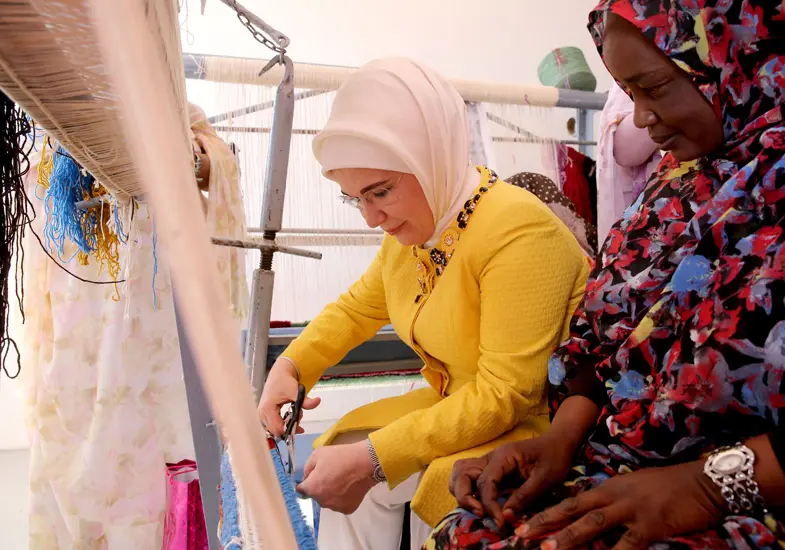 In Sub-Saharan Africa, weaving has become an integral part of daily life and social structure with the spread of cotton fabrics. The 14th century accounts of Ibn Battuta, who visited the Mali Empire, and the use of fabrics woven with gold threads by the Sultan of Mali, Mansa Musa, on his pilgrimage are among the important examples that reveal the historical depth of African textiles.
Fabrics, Techniques and Geographical Diversity
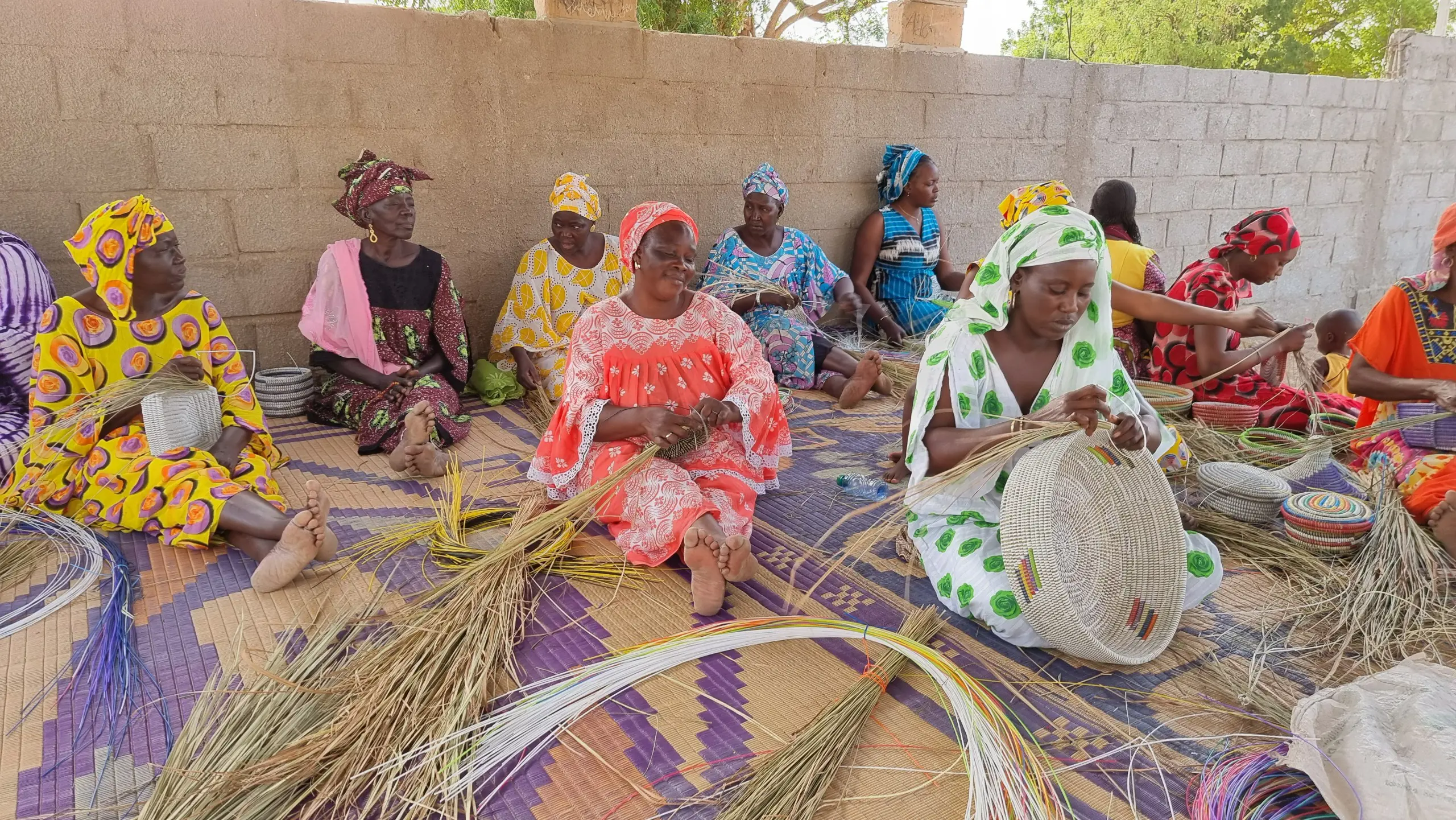
Each region on the African continent has developed its own unique weaving techniques and types of fabric. Bogolan (mud cloth), Kente, chitenge, kikoi, raffia fibers and bark cloth are just a few examples of this rich diversity.
The bark cloth obtained from the bark of the "mutuba" tree in Uganda is a fabric with a very strong cultural meaning, used in many rituals from coronation ceremonies to funerals. It is included in the UNESCO Intangible Cultural Heritage List with its unique production process. Cotton and colorful fabrics such as kikoi are widely preferred for weddings, dances and special occasions.
The Language of Fabric: Identity, Belonging and Memory
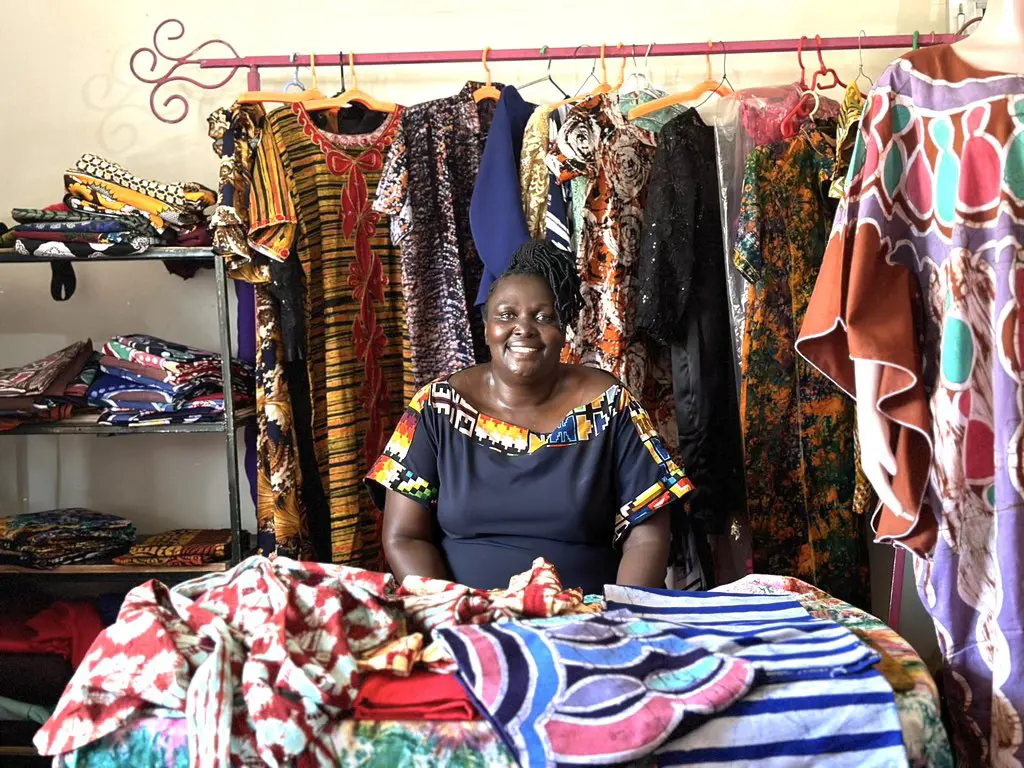
In African societies, fabric is not only an aesthetic element; it is a powerful expression of identity, belonging and social status. Patterns, colors and usage reflect the community, belief system and social position of the individual.
The fabrics preferred for weddings, religious ceremonies and public events reinforce a sense of unity and solidarity. In some African countries, portraits of historical figures and leaders are printed on national fabrics, demonstrating the strong link between cultural memory and everyday life.
Clothing Culture and Everyday Life
In Africa, dress culture influences not only appearance but also behavior and bodily posture. While some clothing encourages elegance and restrained movement, others require a more dynamic use. In this way, clothing is an integral part of social rituals.
The tradition of women's head covering is an important reflection of this cultural diversity. In many societies, the head covering is considered an expression of modesty, belonging and aesthetic understanding. Each country and community continues this tradition with its own unique tying techniques.
From Tradition to Future: Modern African Fashion
Although the impact of global fashion trends is also felt in Africa, traditional clothing culture continues to be strong. Young designers in particular are producing works that both preserve cultural heritage and create a contemporary design language by combining traditional fabrics with modern forms.
This approach, which puts local production and local textiles at the center, transforms African fashion from an element of the past into a vibrant and dynamic cultural expression carried into the future.