
African House of Culture: Women's Labor, Culture and Diplomacy
We talked to Zeliha Sağlam, Chairperson of the Board of Directors of Africa Culture House, about the vision of the organization, its success stories and its role in Turkey-Africa relations.
Could you share with us the relationship between Turkey's vision for Africa, local dynamics and humanitarian stories on the ground, and how these three elements were interconnected during the emergence of Africa House?
The emergence of the African House of Culture is one of the most humanitarian examples on the ground of the vision of the African Opening that our President declared in 2005. This vision encompasses a multi-dimensional process from diplomatic relations to economic partnerships, from cultural exchange to development. The difference of the African House of Culture is that this vision is embodied through women's labor, cultural heritage and humanitarian contacts.
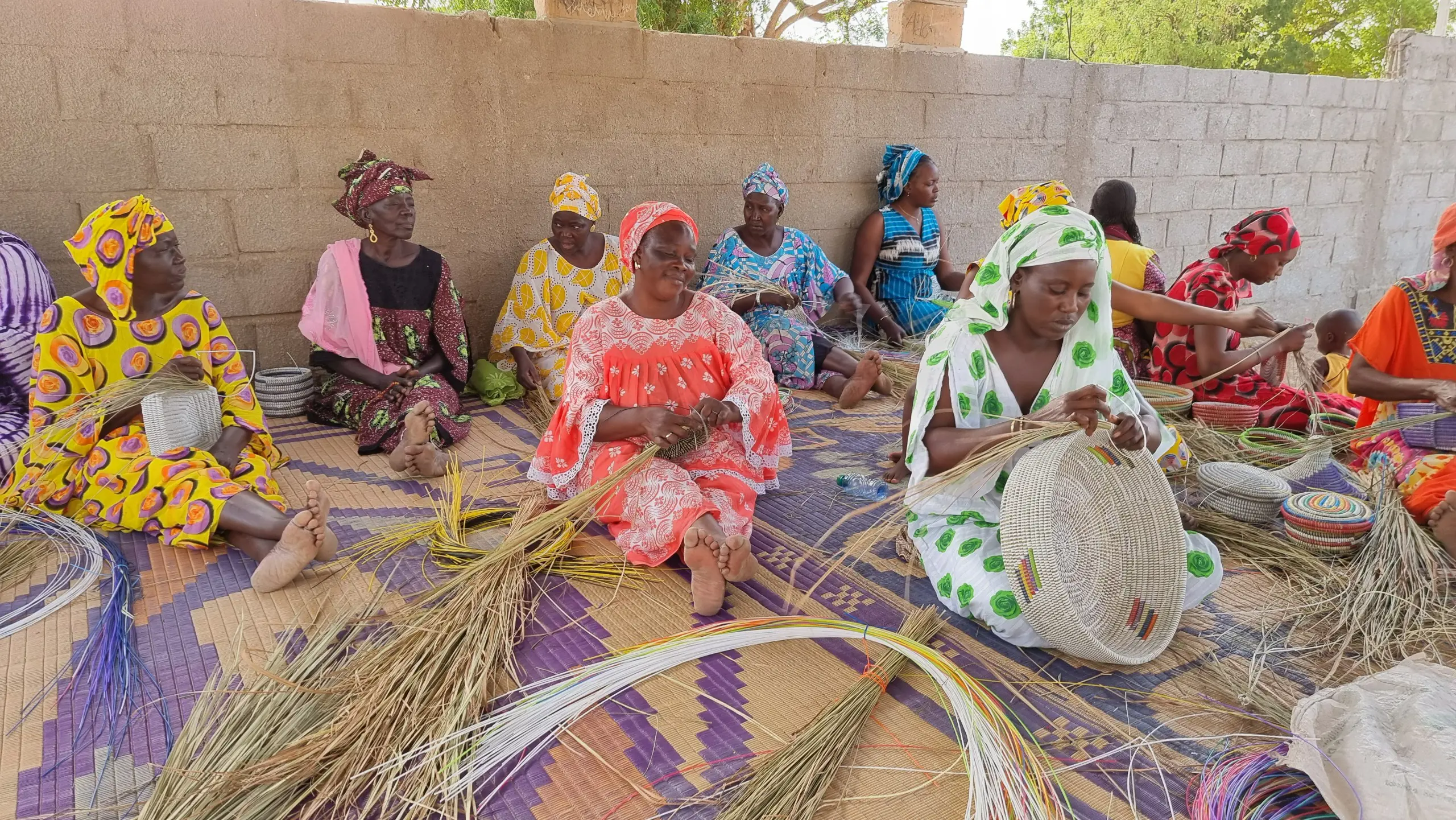
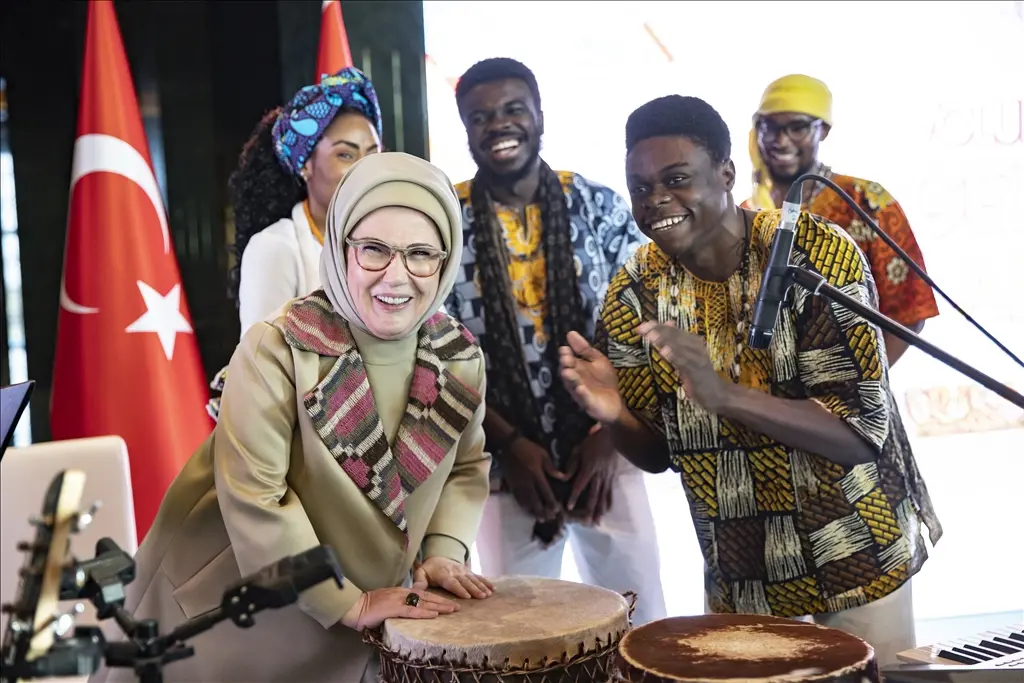
The sincere contacts that Mrs. Emine Erdoğan, the wife of the President of the Republic, made with productive but invisible women who make a living with their handicrafts during her travels in Africa have been the inspiration for this structure. Her observations suggest that Africa's rich handicrafts are not only a form of cultural expression, but also a struggle to stand with dignity, preserve identity and achieve economic freedom. These human stories have given Turkey's vision for Africa a warm and personal touch.
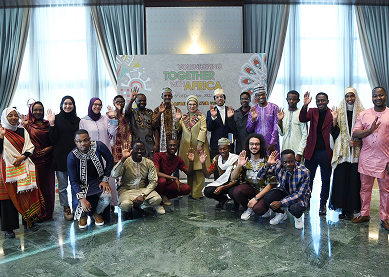
Bringing together diplomatic circles, academia, civil society and the business world under the same roof, Africa Culture House has become a cultural diplomacy platform by combining Africa's local dynamics with Turkey's multidimensional diplomacy approach.
Handicraft workshops, training programs, exhibitions and academic collaborations provide economic value to local African producers and strengthen intercultural dialogue. The story of Africa House shows the world that culture, women's labor and solidarity can create a common language.
What diplomatic goals did you set out with when laying the foundations of this structure and what have you realized so far in relation to these goals?
The main diplomatic objectives of the African House of Culture during its establishment were as follows:
-To strengthen people-to-people ties with African countries,
-To support women's labor to gain economic value by making it visible,
-Preserving cultural heritage and promoting mutual learning processes,
-Developing civil diplomacy mechanisms based on culture, arts and education,
-Building a positive narrative between Turkey and African countries based on shared identity.
In line with these objectives, Africa Culture House has produced a lot of value in cooperation with TIKA in the regions so far. Through women's labor-based production workshops and training centers, projects that strengthen local capacity have been implemented, especially in Senegal and Tanzania.
Through exhibitions, panels, gastronomy events and cultural weeks organized in Turkey, Africa's cultural diversity was brought together with a wide audience. In addition, collaborations and meetings with regional and international organizations such as the African Union, OAFLAD, National Heritage Council (South Africa) strengthened the institutional dimension of cultural diplomacy.
At the academic level, knowledge production and intellectual interaction are supported through the African Studies Specialization Program, seminars and workshops.
In this framework, the African House of Culture presents a model that realizes its diplomatic objectives not only at the representative level but also on the ground through human contact and co-production. Today, this structure is considered as a unique example of Turkey's vision for Africa, working on the foundations of women's labor, cultural diplomacy and joint development.
How is Africa House making an impact in the fields of business, culture and social diplomacy across the African continent and how does it maintain its role as a mediator and facilitator in Turkey-Africa relations?
Africa Culture House informs Turkish society about the continent through Africa's rich handicrafts, gastronomy, music and oral traditions. By promoting African culture not as the other but as an equal and common accumulation of civilization, it has developed a human-centered diplomacy model that fosters intercultural empathy and mutual respect.
Projects carried out with TIKA, particularly the handicraft centers in Senegal and Tanzania, contribute to women producers in Africa gaining a more active position in local economies.
Through its contacts with the diplomatic missions, business circles, women's organizations and cultural institutions of the continent's countries, Africa Culture House serves as an interface that strengthens the transitional space between official diplomacy and civil society.
By bridging the gap between Turkey's public diplomacy objectives and the needs of local initiatives in Africa on the ground, it contributes to the permanence of relations based on mutual trust.
Could you share with us the success stories that have impressed you the most from the projects you have carried out in African countries and the one-to-one relationships you have established?
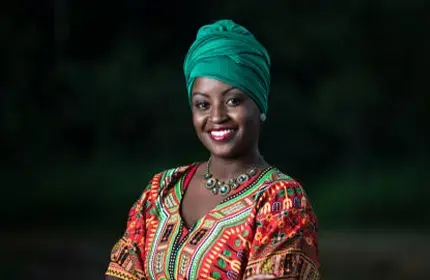
There are many inspiring stories, one of which is the story of Dr. Khadijah Bwanakheri Mohammed from Tanzania. Dr. Khadijah is one of the pioneers in strengthening women's participation in economic life in her country. Although she has never been to Turkey, she has established a strong cultural bond between the two countries through her collaboration with the African Culture House, which she met through the Turkish Cooperation and Coordination Agency (TIKA).
Dr. Khadijah is the coordinator of the "Mama Jasiri/Courageous Mothers" program, one of TIKA's development projects in Tanzania. The program aims to equip young women with vocational skills and turn them into self-confident, productive and economically independent individuals through entrepreneurship training. Women trained under the guidance of Dr. Khadijah have the opportunity to exhibit their handcrafted products at the African Culture House, thus making Tanzania's traditional arts visible in Turkey.
According to Dr. Khadijah, the hand-woven baskets, pottery, wood carvings, beadwork from the Maasai culture, leather goods, and colorful kitenge and kanga fabrics are not only aesthetic products but cultural symbols that carry the identity and history of the community.
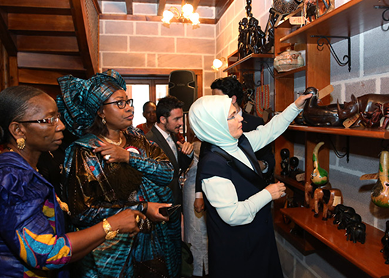
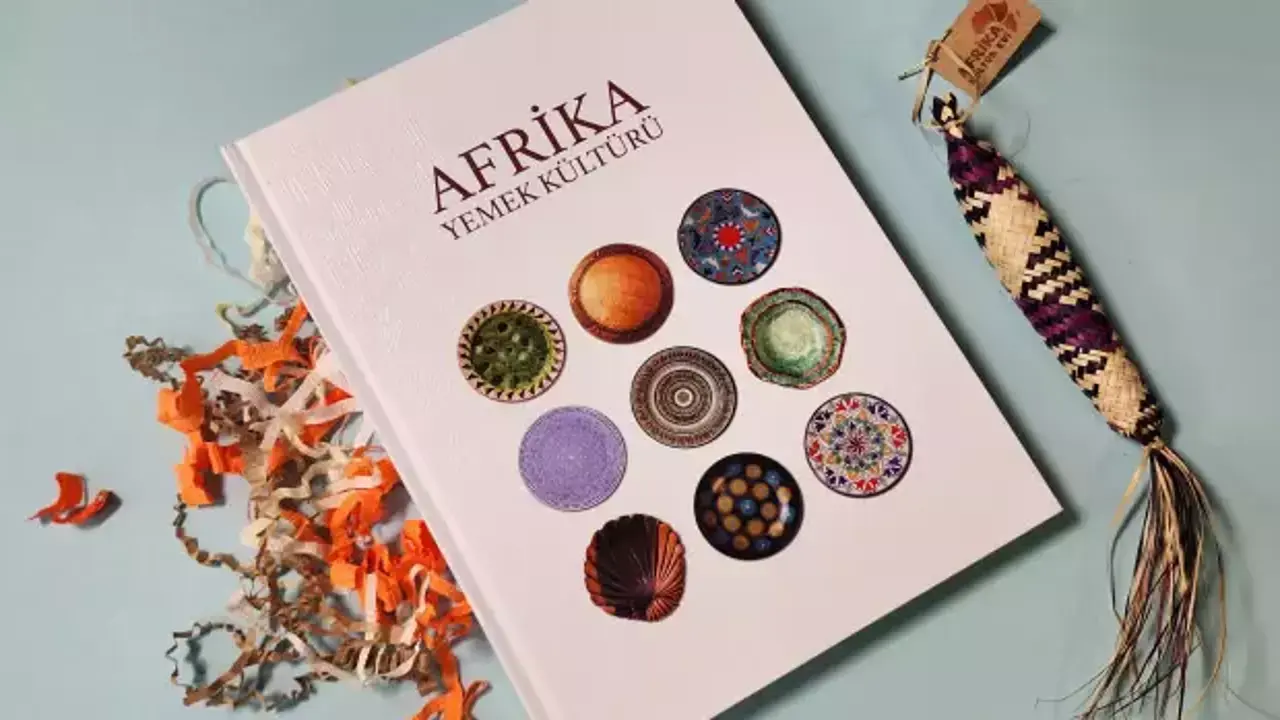
The African House of Culture exhibits a wide range of products, from hand-woven baskets to wall decorations and small wooden decorative objects, made by the mothers of the Mama Jasiri program. Each of these products reflects both the traditional skills and creative innovations of the young women in the program.
Dr. Khadijah sees the collaboration with the African House of Culture as an opportunity to make the voices of Tanzanian women heard around the world. This gives African women the opportunity to showcase their creativity, culture and products in Turkey. I was particularly impressed by Dr. Khadijah's story; she mentors young women who receive weaving and carpentry training through the Mama Jasiri program, guides their production processes, contributes to their entrepreneurial awareness, and creates opportunities for them to share their work with a wider audience through platforms such as Africa Culture House.
How was the response to Africa House at the fifth TABEF event, and what are your thoughts on the future vision of Africa House?
The Fifth Turkey-Africa Business and Economic Forum (TABEF) was a highly productive platform for Africa Culture House in terms of both visibility and impact. The intense interest shown in the Africa House of Culture by the state officials, ambassadors, business people and civil society representatives attending the forum demonstrated that the organization has made significant progress towards becoming a cultural actor in Turkey-Africa relations.
The stand of the African House of Culture attracted the attention of many country delegations as a space where culture meets production, where handicrafts based on women's labor were exhibited. The stories behind the products, that is, making visible the labor of African women, resonated both emotionally and intellectually with the participants. This demonstrated that a successful model is working on the ground, showing that the human dimension of economic diplomacy is strengthened through cultural diplomacy.
In the coming period, Africa Culture House aims to strengthen women producer networks in Africa, increase joint production and brand development projects, increase academic and creative collaborations on the axis of cultural diplomacy, and develop permanent and sustainable cultural partnership models in Africa-Turkey relations.
In this respect, the African House of Culture continues to position itself in platforms such as TABEF not only as a structure representing handicrafts, but also as a diplomatic actor bridging culture, women's labor and human development.
December 24, 2025
Source:Business Diplomacy