

From a basket to a bridge: The story of the "African House of Culture"
Although Africa is often talked about through maps, statistics or official discourses, the real story of the continent is hidden in people, labor and daily life. The African Culture House, located in Ankara's historic Hamamönü neighborhood, builds a silent but powerful bridge of hearts between Turkey and Africa, making these invisible stories visible.
In this interview with Zeliha Sağlam, President of the African House of Culture, WAJ Turk correspondent Ayşegül Demircan brings a multi-layered narrative to the reader, from the story of the emergence of the African House of Culture to the activities carried out, from the journey of women's labor across continents to the humanitarian dimension of cultural diplomacy.
How did the idea of the African House of Culture first come about and how did the realization of this project progress?
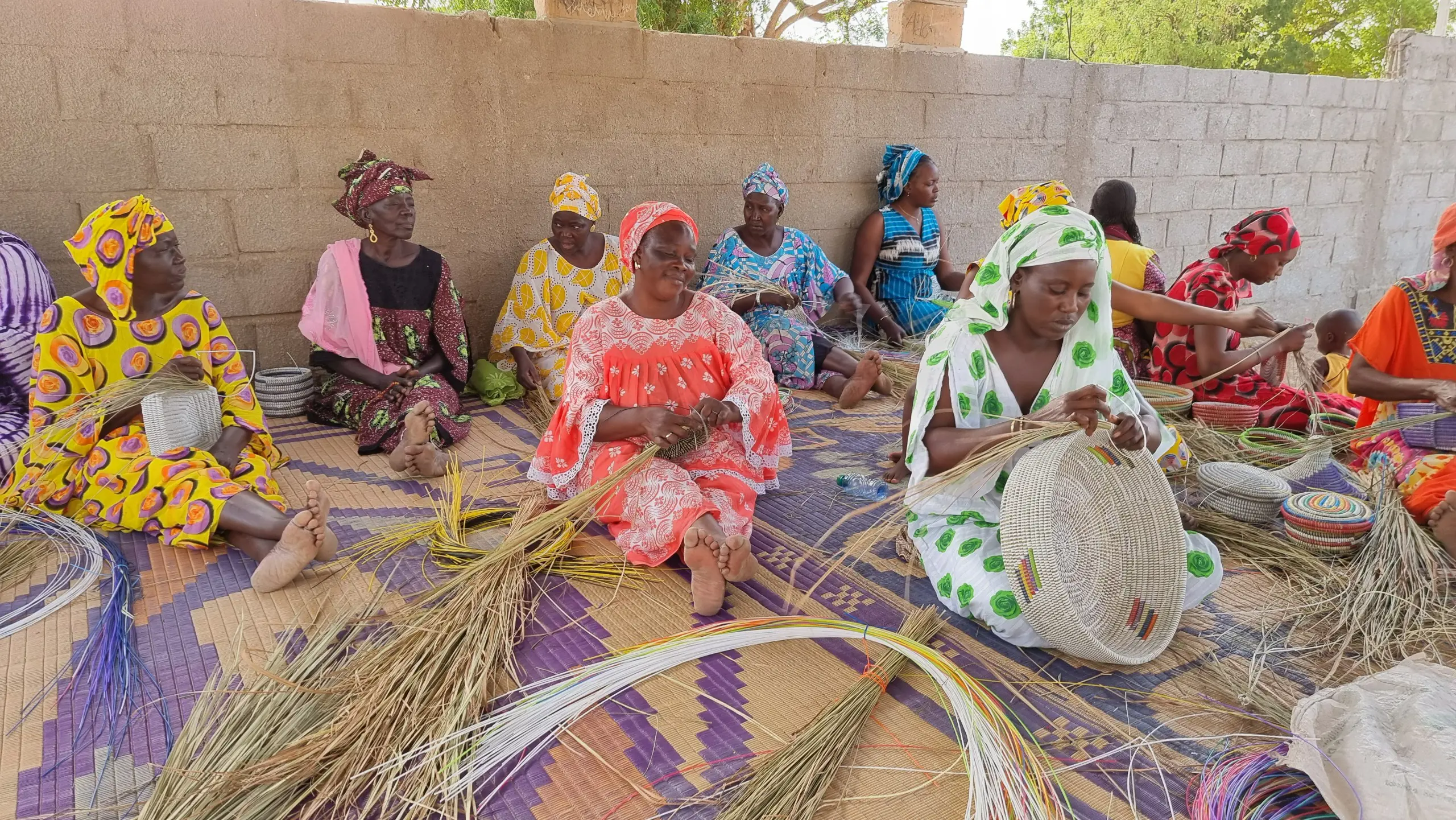
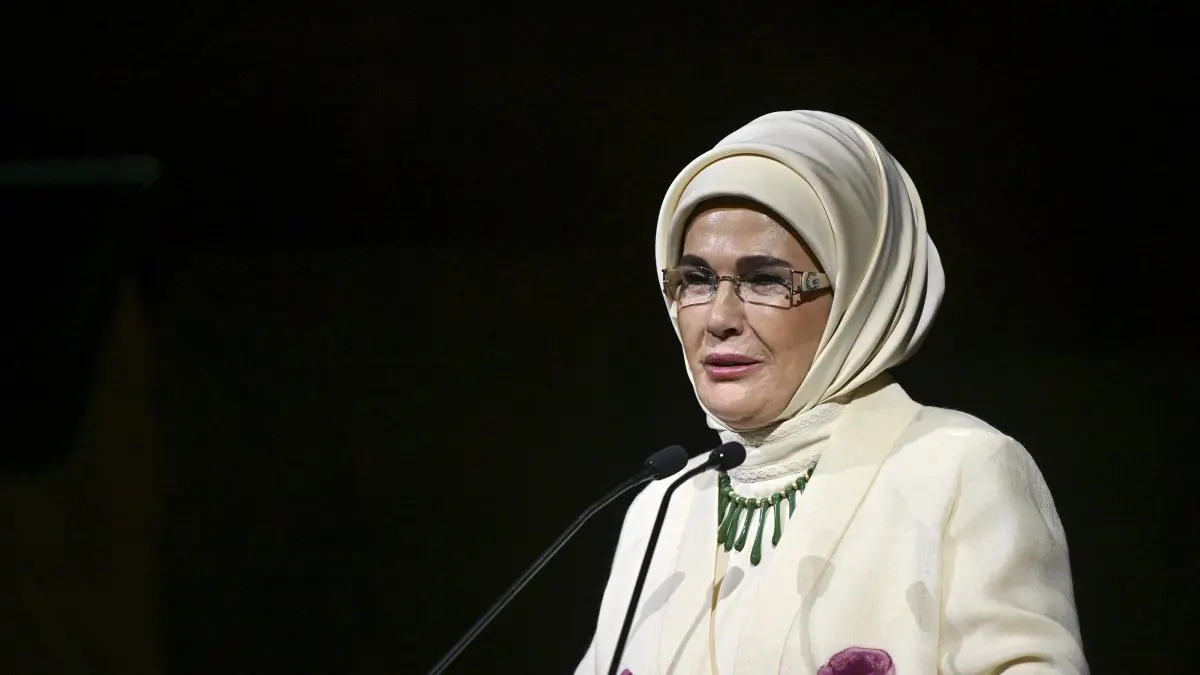
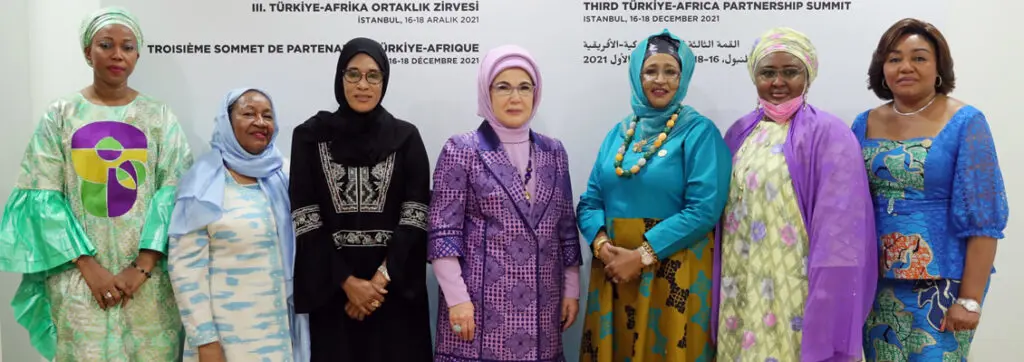
The idea of the African House of Culture emerged as a result of the sincere contacts and observations made by Mrs. Emine Erdoğan during her official visits to Africa. The stories of African women, who produce by hand, keep their culture alive but are often invisible, were the main source of inspiration for this idea. A mother's pride when describing the basket she weaves, another woman's struggle to survive with her handicraft, clearly showed that this labor should be rewarded on a more dignified ground. We can say that the idea of the African House of Culture is a natural outcome of the real stories encountered in the field.
This humanitarian accumulation and awareness gained an institutional structure with the launch of the African Culture House in 2016 under the leadership of Mrs. Çavuşoğlu. In the process that started after the opening, the main focus was on telling the stories correctly, making the labor visible and building lasting relationships. The African Culture House is both a space and a model of solidarity based on sustainable and mutual learning.
What kind of atmosphere does a person who enters the doors of the House of African Culture find himself/herself in?
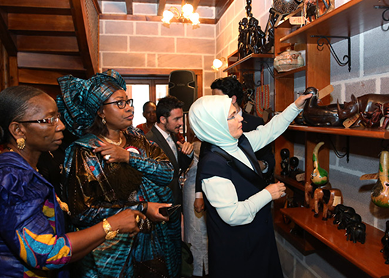
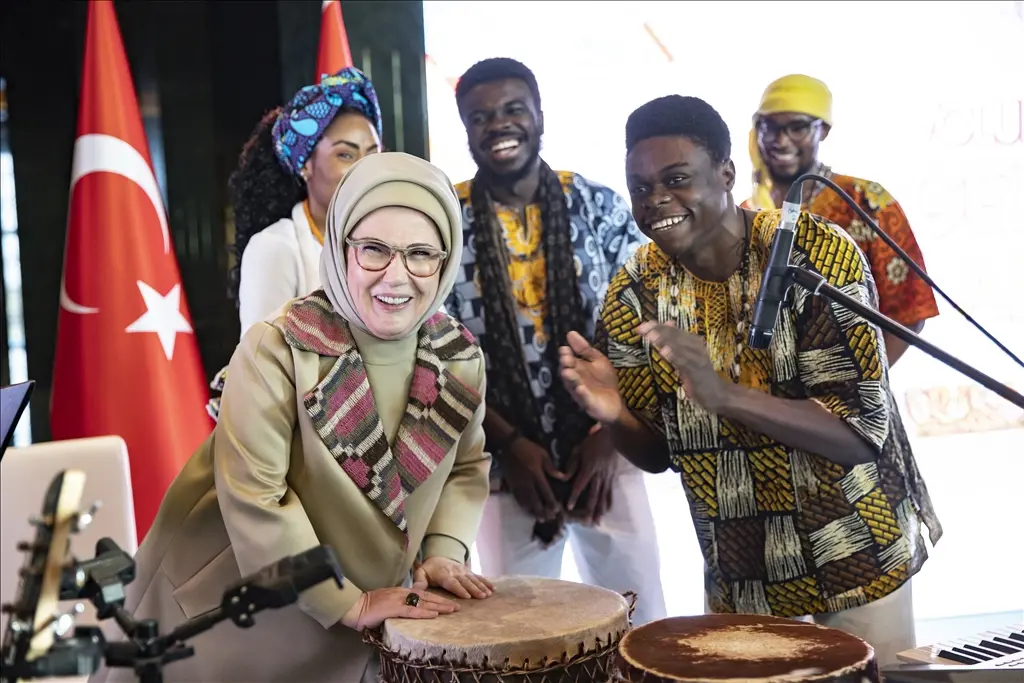
A visitor entering the African House of Culture often says: "It is as if I have stepped into another country, but at the same time it is very familiar." This is also due to the fact that the African Culture House is housed in a traditional Turkish house in Ankara's Hamamönü neighborhood. The colors and textures on the walls are in harmony with the handicrafts made by women in Africa. The stories told also create the appearance of a living museum. Every object has a story. A bag woven from the sisal plant from Tanzania, a basket that has become a mother's livelihood in Senegal, necklaces made from beads in South Africa, fans made by women in Ghana... Visitors listen, ask and connect while looking.
When you step through the door of the African Culture House, you find yourself in a living culture from the very first moment. The exhibition areas featuring handcrafted products from different geographies of Africa welcome visitors with colors, textures and motifs, each telling a different story. These areas are narratives where women's labor, cultural memory and ancient crafts are made visible.
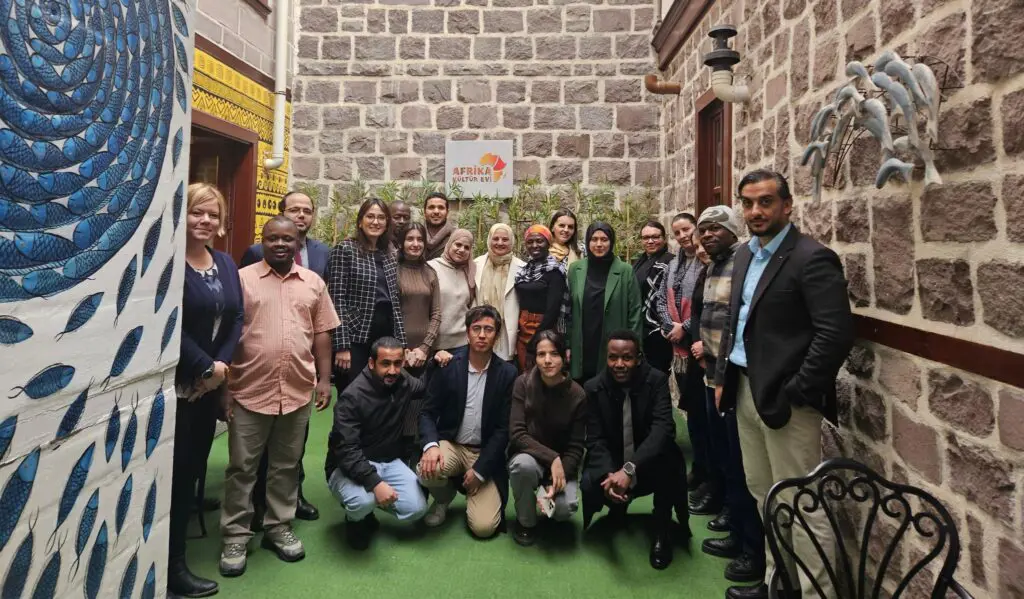
The cafeteria at the heart of the space is like a stop where African coffees and warm conversations meet, slowing you down and making you feel good. In the areas dedicated to events and workshops, culture becomes a lively contact through music, art, crafts and talks.
At the African Culture House, one feels like a host, not a guest. Borders and distances lose their meaning, one touches Africa in the middle of Ankara, and even feels oneself in Africa for a moment. This is everyone's home, a meeting place where everyone can find a piece of themselves and where culture speaks the language of the heart.
What kind of activities do you actively carry out under the roof of the African Culture House and how does the African Culture House fill a gap in the relations between Turkey and African countries?
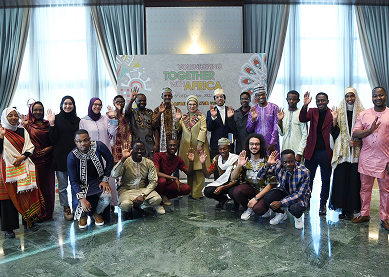
The African House of Culture is a living meeting point as well as an exhibition space. It offers a multi-layered structure with exhibitions, workshops, academic talks, youth activities and handicrafts.
While the official and economic dimension is usually at the forefront of relations between Turkey and African countries, the Africa Culture House complements the human and cultural side of this relationship. Here, people get to know Africa not as a title or a map, but as a person, a story, a labor.
How do you observe the interest of young people and children in the African House of Culture?
Children and young people approach the African House of Culture with great curiosity. Especially when they hear the story behind an object, the curiosity in their eyes is invaluable. When they ask, "Do women really make these things?" this is actually the moment when empathy begins.
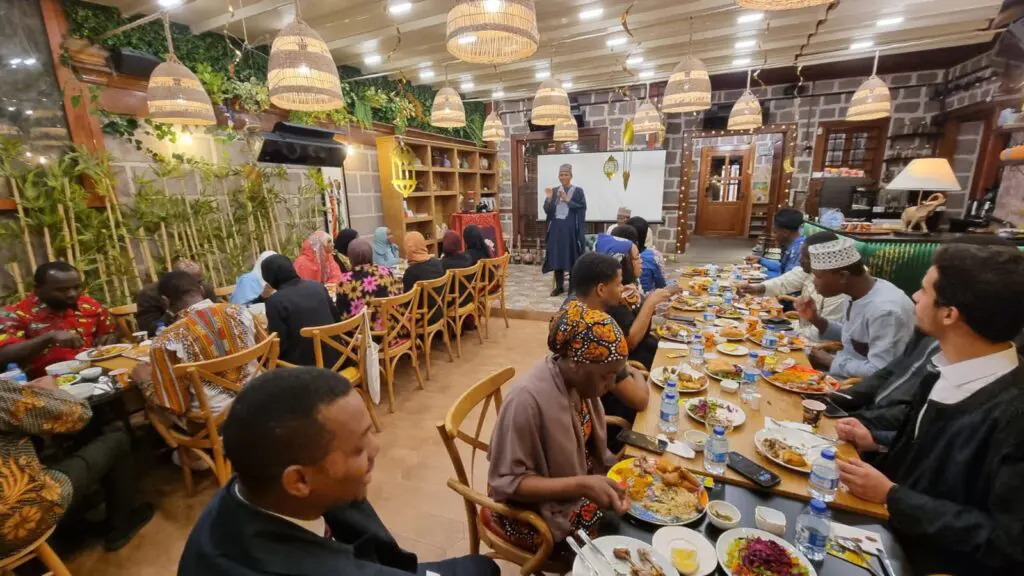
Here, young people are introduced to different cultures and concepts such as labor and responsibility. This interest is our greatest hope for the future, for the curiosity to get to know different countries and to build bonds.
What kind of surprise activities are you planning to reinforce this friendship in the coming period?
In the coming period, we are planning new training and workshop programs, thematic exhibitions and international collaborations focusing on women's labor and youth. In addition, on the occasion of the 10th anniversary of the African House of Culture, we are preparing special narratives that make visible the stories from the past to the present, bringing together memories and hopes for the future.
How do local people and administrations in Africa respond to the appreciation of African products in Turkey?
For producers in Africa, it means that their products attract attention in Turkey and meet with buyers, as well as that their efforts are recognized. For a producer to be able to say "My work has been appreciated in another country" creates self-confidence and hope.
Local governments also find this process very valuable in terms of preserving cultural heritage and empowering women. This mutual satisfaction makes the cooperation even more meaningful.
What are your criteria for the selection of products from Africa and the process of getting them to the stands here?
The main criteria for us are that the products are handcrafted, reflect local culture and directly support the producer. Behind every product there is a story, a labor and a struggle for life.
At the same time, we care about sustainability principles. For this reason, the selection process of products is not carried out in a hurry, but with mutual trust and an understanding of long-term relationships.
How does the African Culture House build a bridge to accurately explain the different languages, colors and traditions of the continent to the Turkish society?
Africa Culture House does not tell Africa through a single color or a single story. On the contrary, it tries to make visible the polyphonic and multicolored structure of the continent.
Here, Africa is presented not as a "distant" or "exotic" place, but as a cultural space where one can meet, understand and co-produce. This creates a silent but powerful bridge between different societies.
January 27, 2026
Source:WajTürk