Atanga's Baskets
Atanga goes to his stall every day before sunrise.
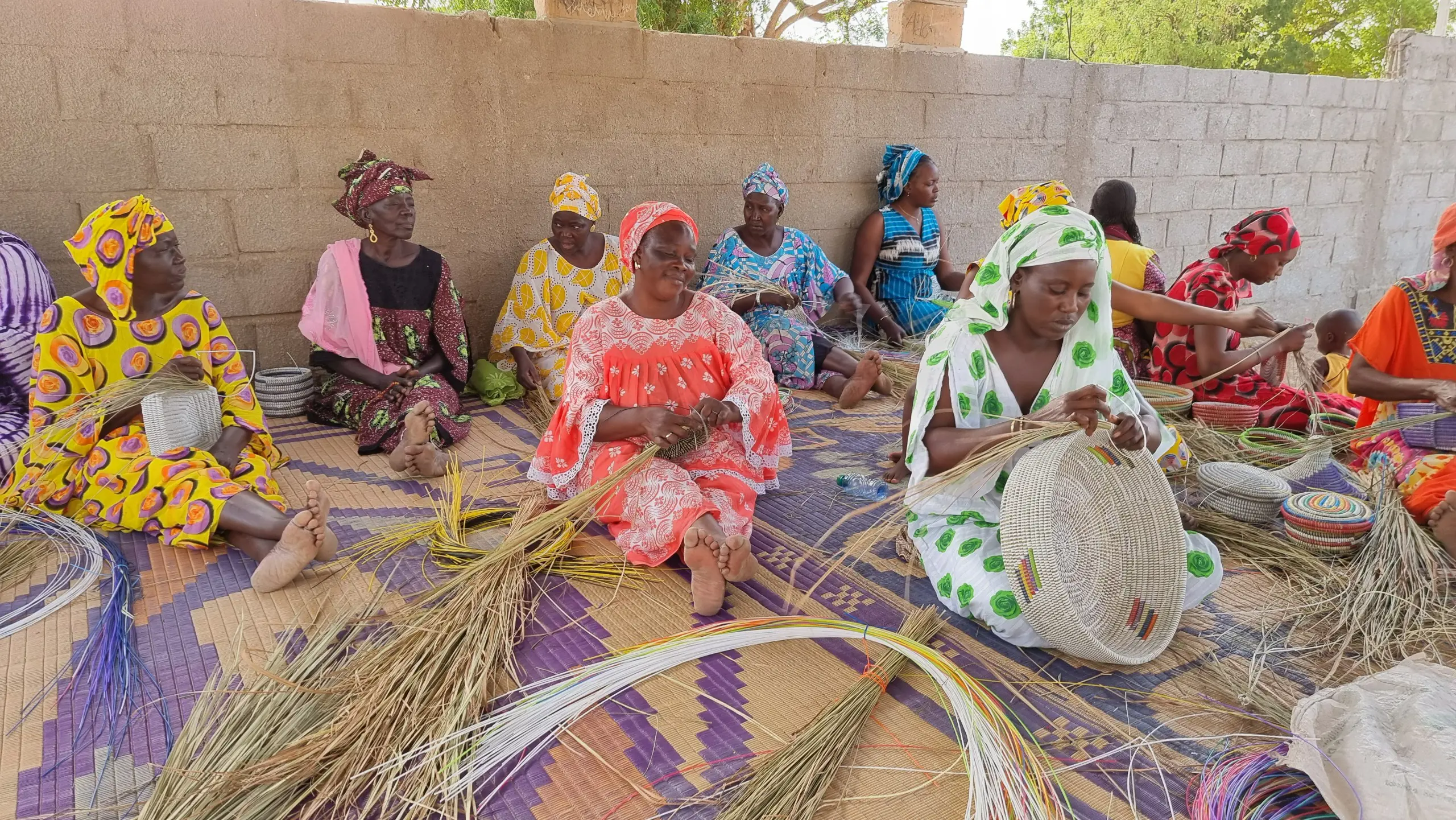
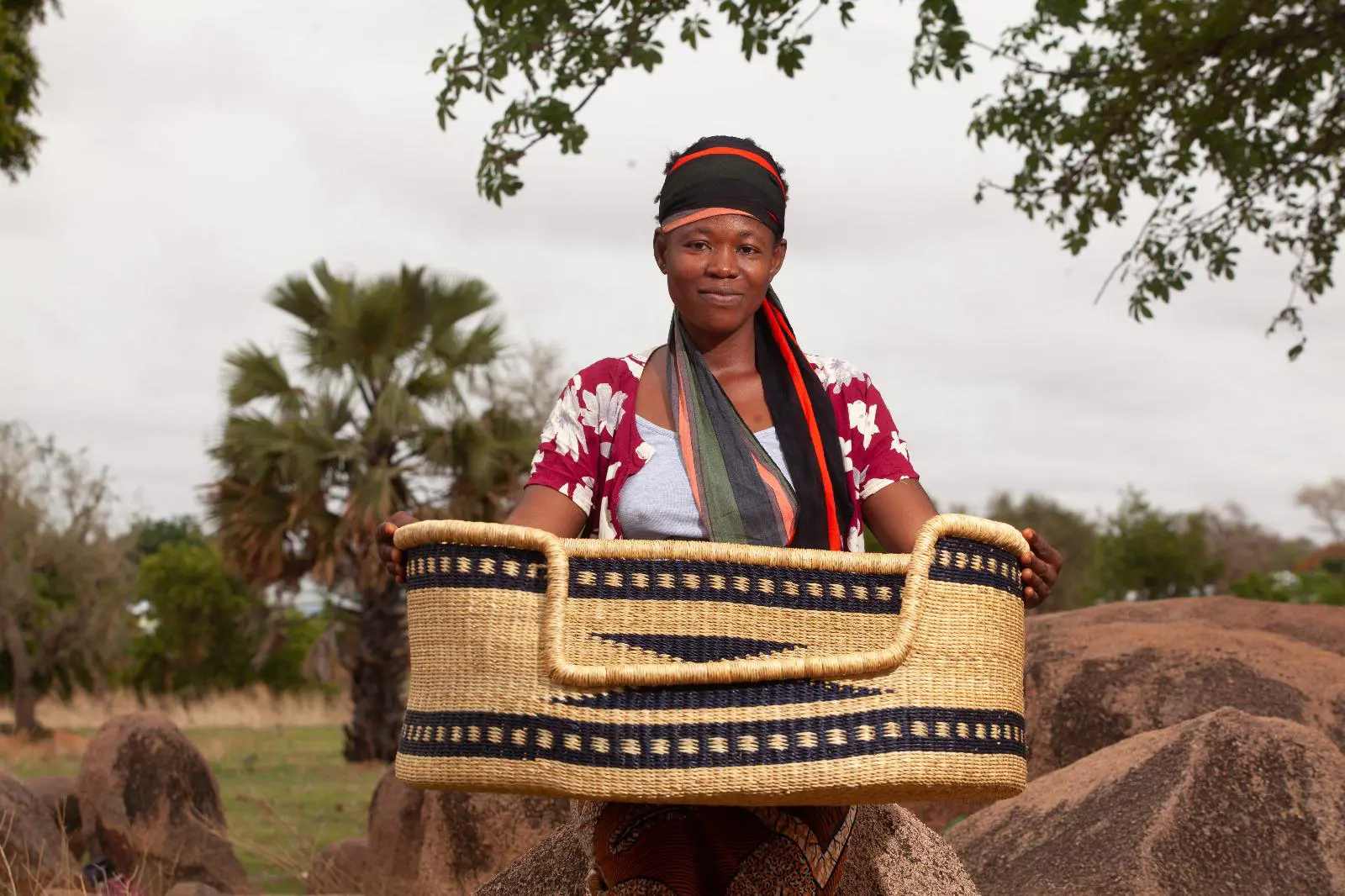
With the baskets she weaves for about 15 hours a day, she sustains her family of fourteen.
Atanga, who has been working with the same patience for seventeen years, can weave only one basket or bag a day from the vetiver meadow plant with deep roots. She has labor in every stitch, hope in every knot. These baskets are not just objects; they are the livelihood of a family, the resilience of a woman and the story of a village.
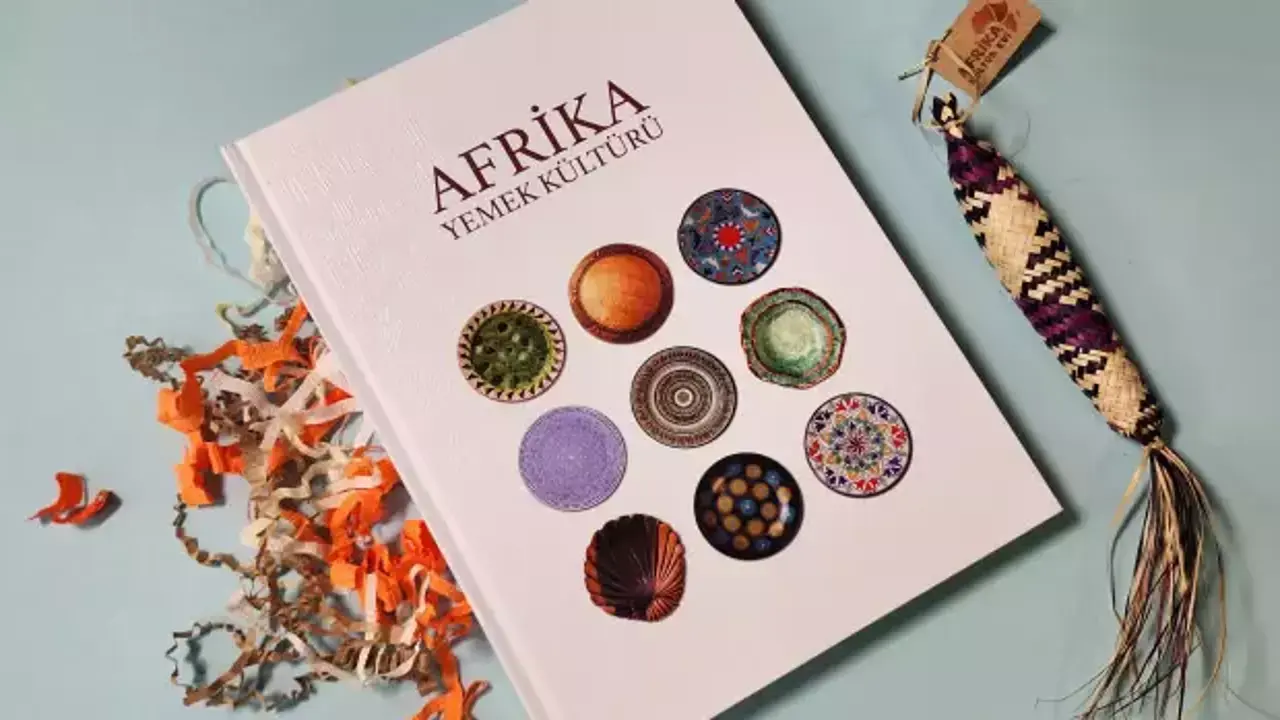
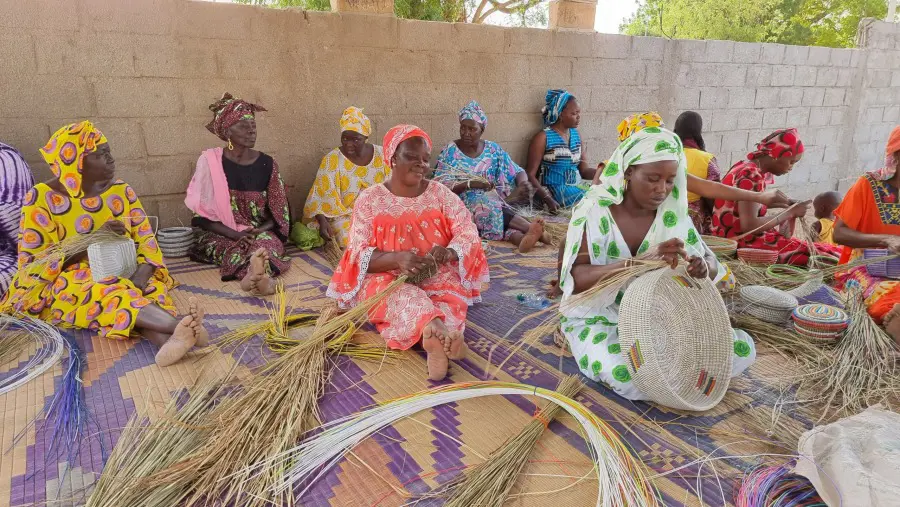
A Ghanaian PhD student in Turkey met Atanga's handicrafts during a visit to the village. This encounter led to Atanga's baskets finding a place in the African Culture House. Afterwards, a new door was opened for the products of other women living in the same village and continuing their lives with handicrafts.
Today, Atanga's baskets are not just a craft from Africa; they are a quiet but powerful narrative of labor, solidarity and the transformative power of women.
Dr. Khadijah's Empowering Stories
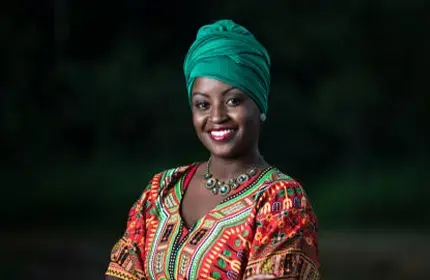
Dr. Khadijah Bwanakheri Mohammed, who lives in Tanzania, accompanies the transformation of many lives with her work supporting the economic and social empowerment of young women. Through the "Mama Jasiri" program, which she leads, she aims for women to gain vocational skills, participate in production and earn their own income. This program aims not only to produce products, but also to open a new direction in women's lives.
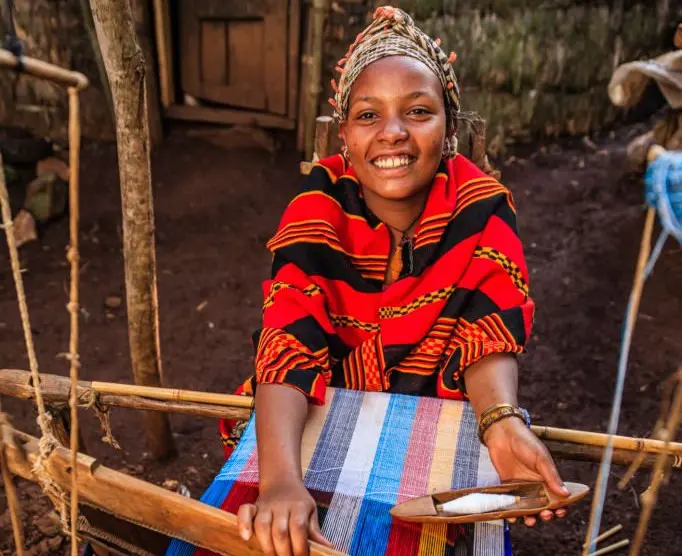
Through trainings in areas such as weaving, carpentry, handicraft production and entrepreneurship, young women are both introduced to traditional skills and learn how to transform these skills into economic value. For many women, this process, shaped under Dr. Khadijah's guidance, is the beginning of producing for the first time, making their own labor visible and building an independent life. Her role is not only to provide training, but also to encourage and mentor the women and provide them with access to opportunities to bring their work to a wider audience.
For Dr. Khadijah, empowerment is not limited to economic gain. For her, every woman can rebuild her own story with the right support. This is why Mama Jasiri is more than a training program; it is a space of solidarity for hope, resilience and new beginnings.
Flora's Natural Cotton Fabrics
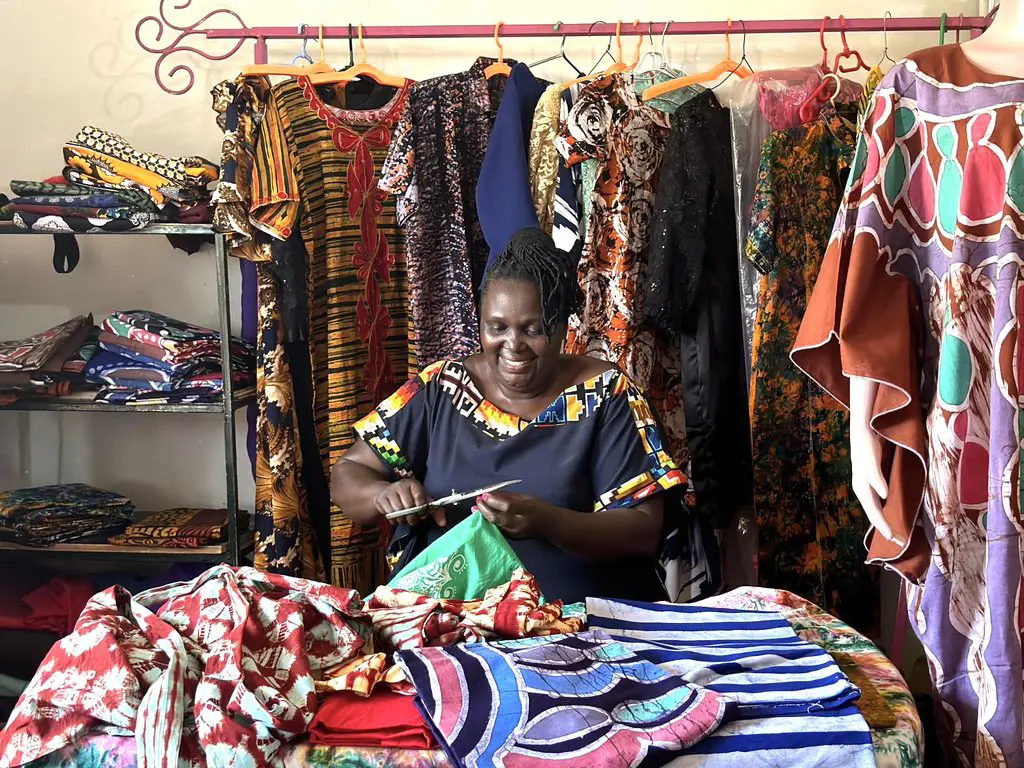
Flora Kiando is a 51-year-old woman entrepreneur from Dar es Salaam, Tanzania. Flora, a mother of four, has been producing fabrics using traditional methods for 15 years. Each of her fabrics is made entirely of cotton and she carefully prepares the patterns in her workshop by sourcing dyes from local markets and fabrics from neighboring regions.
Flora's story is not limited to production; it is also a strong example of social solidarity. She transfers her knowledge and skills to students who come in groups to provide educational support to the children of poor families. In this way, she both continues the tradition and sheds light on the future.
Flora's labor is further strengthened in a workshop supported by the Turkish Cooperation and Coordination Agency (TIKA). Thanks to TIKA's support, Flora has the opportunity to reach more people during the production process.
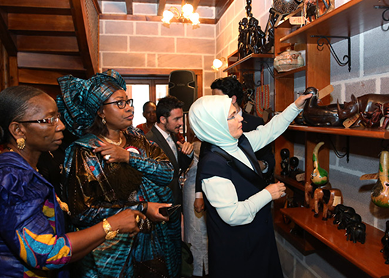
The African House of Culture has become part of Flora's story, supporting her labor by promoting and buying these special fabrics.
Flora aims to bring these unique handcrafted fabrics of Tanzania to more people and to expand to foreign markets. The fabrics produced by hand, inspired by traditional motifs and the colors of nature, are not only a textile product; but also a representative of a cultural heritage.
You can access these unique batik fabrics at the African Culture House and support Flora's efforts. Because each fabric carries the unique colors of Tanzania and Flora's determination.
Mama Aisha's Ebony Spoons
A journey that begins at the Mwenge Market in Dar es Salaam.
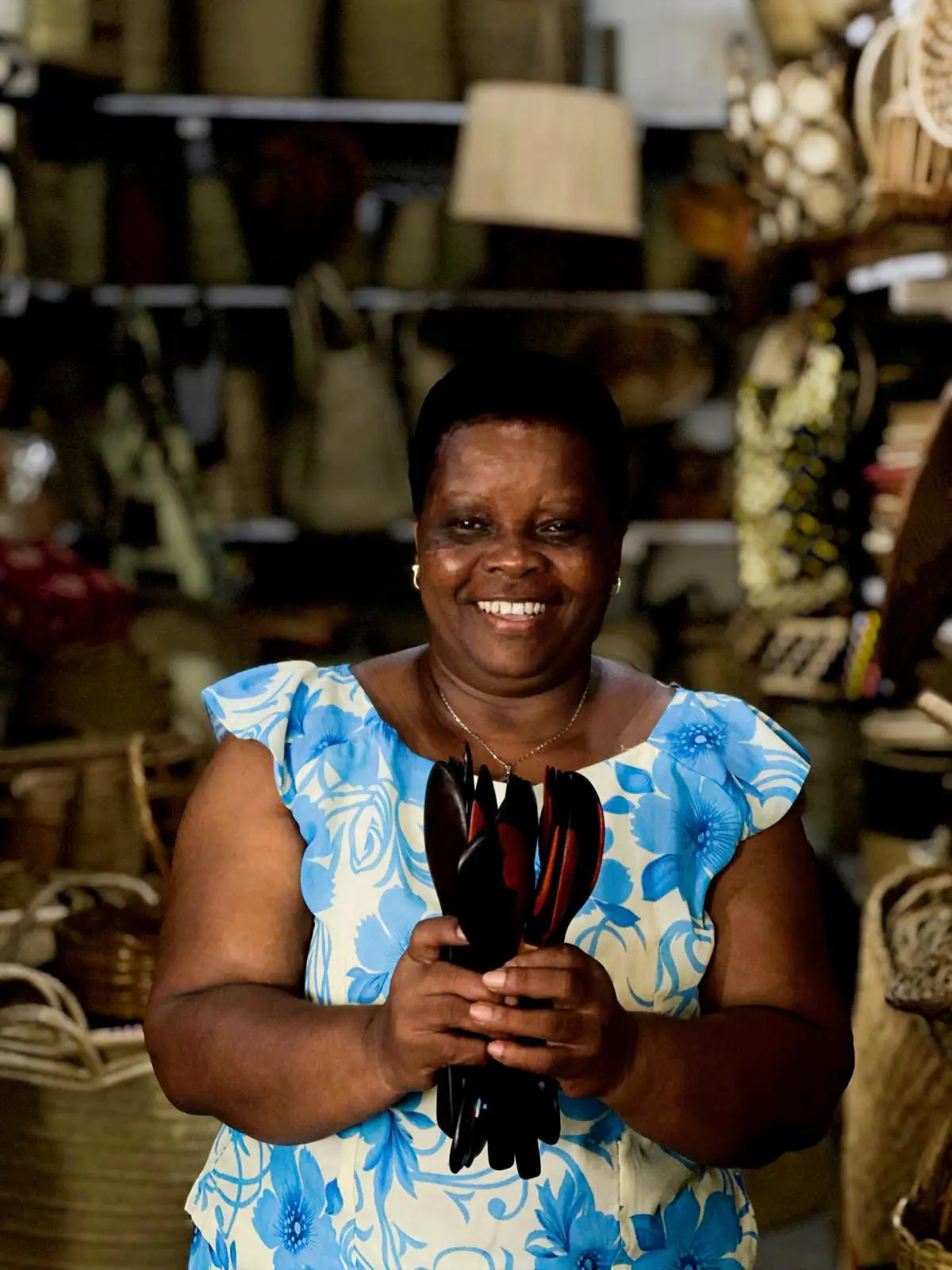
For ten years, Mama Aisha has been hand-polishing traditional wooden spoons made from ebony wood and making them ready for sale. Each spoon is sanded smooth, revealing its natural luster, and finished by hand. The production process requires patience and care; it is a skill to reveal the natural character of the wood without damaging its texture.
The durability and dark color of ebony wood make these kitchen products not only functional but also cultural objects. Used for many years in East Africa, these spoons are an indispensable part of everyday life. For Mama Aisha, these spoons represent a chain of labor that leads to the education of her three children and the livelihood of her family.
Each piece carries patience, craftsmanship and traditional production knowledge. At the same time, it keeps cultural memory alive as a concrete example of the transmission of local craftsmanship from generation to generation.
Batuli's Hemp Designs
A journey that begins at Mwenge Market in Dar es Salaam....
Batuli, who lives in Kigamboni, produces home and office decoration products, handbags and decorated mirrors with hemp ropes. Combining the durability of natural fibers with a modern design approach, she creates both functional and aesthetic products. Each piece is knitted and shaped by hand; the tension of the threads, the balance of the knots and the strength of the form are meticulously controlled.
For Batuli, who had no previous handicraft experience, this production process means a new beginning. Thanks to the vocational training program she attended, she learned how to work with hemp rope and patiently progressed at every stage from the first knot to the first finished product. Hemp, which stands out with its natural texture and long-lasting structure, comes to life as a sustainable material in Batuli's designs.
The handbags, decorative mirrors and wall decorations she produces today are not just accessories; they represent concrete steps towards economic independence. Each knot symbolizes a self-confidence gained; each design symbolizes a re-established life. Batuli's hemp designs carry a powerful story that combines the power of natural material with women's labor.